

Turning a beach apartment into an irresistible space isn't just a question of aesthetics: it's also a profitability strategy. Those looking to rent on the coast expect more than white walls and a few basic pieces of furniture. Today, in an increasingly demanding and competitive tourism market, knowing how to decorate a beach apartment for rent can make the difference between a property that goes unnoticed and one that becomes a desirable option every season.
The key is to create a coherent, harmonious, and memorable atmosphere, which is perceived both in the photographs on rental websites and in the actual guest experience. To achieve this, choosing a defined aesthetic—whether vintage, rustic, Nordic, or minimalist—and replicating it in every corner of the apartment is a fundamental step. In this article, you'll find professional and up-to-date interior design ideas designed to make the most of your coastal property and increase its appeal in the vacation rental market.
Why is the decoration of a beach apartment for rent so important?
First impressions are crucial. Most guests decide to book after a few seconds of looking at photos online. Thoughtful decor aligned with the latest trends conveys comfort, aesthetic pleasure, and functionality—essential factors in the decision to rent.
Besides:
- Improves perceived value: A well-designed apartment can justify a higher price per night.
- Increases annual occupancyThe more attractive the space, the fewer days it will be empty.
- Generates loyalty: Satisfied tenants repeat, recommend, and leave good reviews.
Choosing an aesthetic: the basis of decorative success
Before buying furniture or hanging pictures, the first step is decide on a clear aesthetic lineIt's not about filling the apartment with random objects, but rather projecting a unique personality that visitors perceive and enjoy. Here are some examples of styles you can follow.
1. Vintage coastal style
Perfect for those who want to convey a nostalgic, relaxed, and charming air. Achieved with:
- Furniture made of stripped wood in white or pastel tones.
- Textiles with nautical or floral prints.
- Reclaimed accessories, such as antique mirrors or classic floor lamps.
- Retro beach photographs or framed vintage advertising posters.
2. Mediterranean rustic style
Ideal for those seeking authenticity and warmth. It features:
- Use of natural materials: untreated wood, stone, plant fibers.
- Earth tones and deep blues.
- Light linen curtains and jute rugs.
- Handcrafted details such as local ceramics or woven baskets.
3. Nordic coastal style
If you're looking for brightness and modernity, this aesthetic is key:
- Neutral palette with a predominance of white, light gray and soft blue.
- Furniture with straight and functional lines.
- Strategic use of mirrors to amplify light.
- Green plants in simple ceramic pots.
4. Contemporary minimalist style
It attracts an audience that values elegance and order. This translates into:
- Clear spaces with little but quality furniture.
- Monochrome palettes (white, beige, black).
- Abstract works of art or discreet sculptures.
- Indirect lighting and integrated technology.
How to apply the chosen aesthetic in each space
Main living room: the heart of the apartment
- Vintage: linen-upholstered sofas with patterned cushions, a reclaimed wood coffee table.
- Rustic: wicker armchairs, low log table and wrought iron lamps.
- Nordic: Light grey modular sofa, geometric rug and white furniture.
- Minimalist: a straight sofa in neutral tones, a single large-format work of art, and plain curtains.
Kitchen: functionality and aesthetics
- Prioritize moisture-resistant materials.
- Add decorative details according to the style (retro tableware on open shelves for vintage, handmade ceramics for rustic, white lines and steel for Nordic, smooth and polished surfaces for minimalist).
- Invest in modern appliances: they increase the perception of quality.
Bedrooms: rest and style
- Vintage: painted iron headboards and patchwork quilts.
- Rustic: sturdy wooden furniture and natural cotton bedding.
- Nordic: floating bedside tables, Scandinavian design lamps, soft textiles.
- Minimalist: low bed, bedding in neutral tones and absence of excessive decoration.
Bathroom: essential freshness
- Keep it spotless and well ventilated.
- Use large mirrors and white light.
- Decorative accessories that follow the general style: wicker baskets (rustic), white ceramic dispensers (Nordic), plain and neutral towels (minimalist), retro bronze accessories (vintage).
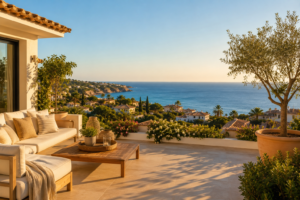
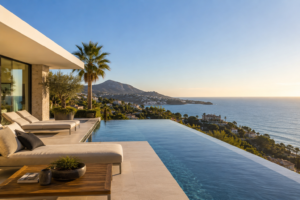
Balcony or terrace: the selling point
- Weather-resistant furniture: synthetic rattan, aluminum or treated wood.
- Easy-care Mediterranean plants (lavender, bougainvillea, cactus).
- Ambient lighting with LED garlands or solar lanterns.
- A photogenic detail: a hanging hammock, an Acapulco chair, or elegant sun loungers.
Details that make the difference
- Lightning: Combine natural light with warm lamps. Good lighting makes a space feel larger and more welcoming.
- Textiles: light curtains, cushions and rugs that add texture without overloading.
- Colors: Light tones amplify coastal light, but an accent color (deep blue, coral, olive green) creates personality.
- Aromas: Citrus candles or marine essence diffusers enhance the sensory experience.
- Technology: Including fast WiFi, smart TVs, and universal chargers increases guest satisfaction.
Professional interior design tips
- Strategic photographyDesign your decor with photos and videos in mind. It's not enough for the space to look beautiful in person; it must be photogenic. For example, a corner with rattan armchairs, turquoise cushions, and a coffee table with nautical candles can become a perfect social media spot. Neutral-colored walls enhance natural light and allow details (plants, paintings, ceramics) to pop in photos. Even a strategically placed mirror can double the feeling of spaciousness in a photo, something guests instantly notice in online listings.
- SustainabilityEuropean and Latin American guests value recycled furniture, organic textiles, and energy-efficient appliances. A specific example is using dining tables made from reclaimed wood or lamps crafted from natural fibers like jute. Incorporating organic cotton bedding and linen curtains, in addition to being comfortable, conveys a clear message of environmental commitment. Also appreciated are the installation of LED light bulbs and A+++ energy-efficient appliances, which reduce energy consumption and appeal to a conscious traveler.
- VersatilityUse folding or modular furniture to adapt the apartment to different groups (couples, families, friends). A Murphy bed can transform a living room into a bedroom in seconds, while a modular sofa allows you to reconfigure the space according to the number of guests. Extendable tables, stackable chairs, or mobile dividers are solutions that increase functionality without overwhelming the space. This adaptability makes the apartment suitable for both romantic getaways and longer family stays.
- Hidden storageBuilt-in wardrobes and decorative trunks maintain order without sacrificing aesthetics. For example, a wooden bench with a folding lid can serve as both a terrace seat and a storage space for cushions or beach toys. Dual-purpose furniture—such as a coffee table with hidden drawers—helps maintain a sense of spaciousness and cleanliness. The more uncluttered the apartment appears in photos and during your stay, the greater the perception of comfort.
Inclusive design: Accessibility and safety are increasingly relevant in reviews. Details such as installing discreet grab bars in the bathroom, choosing walk-in showers, installing gentle ramps at entrances, or using sliding doors facilitate mobility for older people or people with disabilities.
Security also reinforces trust: visible smoke detectors, sturdy deck railings, and good outdoor lighting not only prevent accidents, but also convey that the owner cares about each guest.
How to stand out in the rental market
A well-designed apartment makes it a more competitive property. And while we're talking about vacation rentals, this type of improvement also impacts the property's value. In fact, those who invest in coastal properties to maximize their profitability know that interior design can be as decisive as location.
If you are considering taking a step further in your real estate investment, specialized companies such as luxury homes for sale They offer properties in coastal enclaves that, with a strategic interior design project, can be transformed into true vacation rental gems.
Know How to decorate a beach apartment for rent It's not a secondary detail: it's the difference between just another listing and a coveted space. Choosing an aesthetic—whether vintage, rustic, Nordic, or minimalist—and applying it consistently in each room helps convey a clear, coherent, and attractive identity.
In an increasingly competitive market, where aesthetics are as important as location, investing in interior design isn't an expense: it's a profitability strategy. Your beach apartment can be not only a place of relaxation, but also a constant source of income if you can turn it into an experience guests will want to repeat and recommend.

 English
  Spanish
  German
  French
  Norwegian
  Russian
  Arabic
  Dutch
Dutch